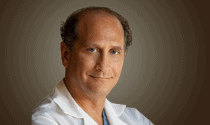


Richard Floyd, M.D.

Dr. Richard P. Floyd received his Bachelor of Medical Science degree from Dartmouth Medical School and his Medical degree from Harvard Medical School. He received his ophthalmology specialty training from Massachusetts Eye and Ear Infirmary, Boston.

He maintains a clinical teaching position at Harvard Medical School where he has an appointment of Clinical Instructor in Ophthalmology. For years, he was active in training young surgeons in the art and science of modern phacoemulsification cataract surgery and glaucoma filtering surgery. He is active in hospital governance at the Massachusetts Eye and Ear Infirmary which has culminated in sitting on the Board of Surgeons.

Dr. Floyd has taught and lectured at the Boston University Medical School, the New England Ophthalmologic Society lecture bureau, the Massachusetts Eye and Ear Infirmary first assistants' course and cataract courses, and the Lancaster Ophthalmology Course at Colby College.

He is a fellow of the American Academy of Ophthalmology, past executive board member of the Massachusetts Society of Eye Physicians and Surgeons, an active member of the New England Ophthalmological Society, and a longstanding member of the Massachusetts Medical Society. He has been a principal partner at Boston Eye Physicians & Surgeons since 1974.

Dr. Floyd cares for patients in a wide field of interests: general ophthalmic care, cataract consultation and surgery, glaucoma medical consultation, non-refractive laser surgery, and contact lenses. He takes pride in the fact the he continues the old fashioned art of devoting plenty of time to each patient's needs.

Specialties

Eye Exams

Routine thorough eye exams are a valuable aspect of maintaining good eye health. The ophthalmologists at Boston Eye Physicians & Surgeons utilize some of the most advanced technologies and techniques to test for potential vision problems, as well as enhance patients' vision.

Cataract Surgery

As people age, they may experience a clouding of the human lens, called a cataract. While some cataracts patients can correct their vision loss with eye glasses or contact lenses, only cataracts surgery can help patients fully recover their vision.

Contact Lens Fittings

Contact lenses are small plastic discs shaped to correct an eyesight problem such as nearsightedness, farsightedness, presbyopia, or astigmatism. These are called refractive errors. They may also be used by people who have had surgery for cataracts. Contacts are placed directly on the eye, where they float on a film of tears in front of the cornea. Correct design and fitting of the lenses are essential for comfort, safety, and accurate correction.